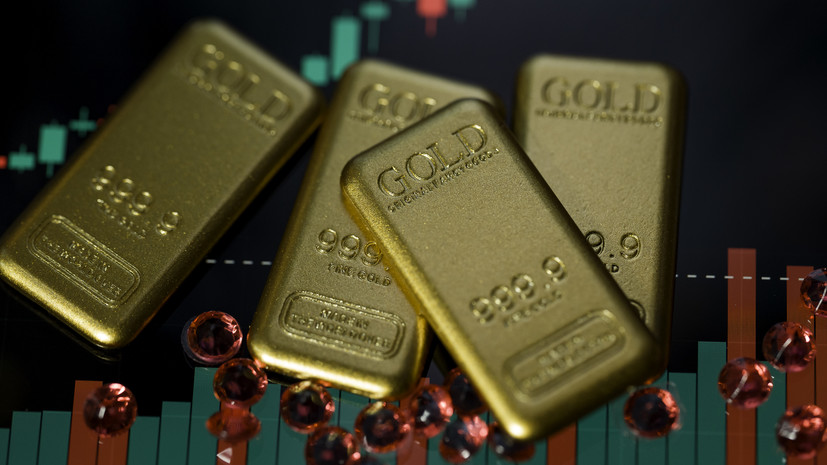
Gold Soars Above $5,400: Iran Tensions Drive Safe-Haven Demand
The global financial landscape is once again witnessing a powerful display of gold's enduring appeal as a safe-haven asset. In recent weeks, the price of gold has increased dramatically, pushing past the significant $5,400 per ounce threshold, a monumental milestone that underscores growing investor anxiety. This remarkable surge, where the
цена золота выросла to unprecedented levels, is primarily attributed to escalating geopolitical tensions in the Middle East, particularly those involving Iran. As uncertainties mount and the specter of broader regional instability looms, investors are flocking to the precious metal, seeking refuge from market volatility and economic uncertainty. This article delves into the drivers behind gold's current rally, its historical significance as a safe haven, and provides insights for navigating this dynamic market.
The Geopolitical Crucible: Iran Tensions Fueling Gold's Ascent
The current spike in gold prices is inextricably linked to the heightened geopolitical friction in the Middle East. Tensions involving Iran have a profound impact on global markets for several critical reasons:
- Energy Security Concerns: Iran's strategic location, particularly its control over the Strait of Hormuz, a vital chokepoint for global oil shipments, means any escalation can threaten world oil supplies. Fears of supply disruptions send crude oil prices soaring, which in turn fuels inflationary expectations and prompts investors to seek inflation hedges like gold.
- Regional Instability: The potential for conflict to spread beyond immediate borders creates a pervasive sense of instability. This uncertainty deters investment in riskier assets, leading to a capital flight towards perceived safe havens.
- Economic Sanctions and Retaliation: The intricate web of international relations and potential economic sanctions, coupled with the threat of retaliatory actions, can disrupt global trade and economic growth. This climate of unpredictability makes gold an attractive store of value.
- Psychological Impact: Beyond direct economic consequences, geopolitical crises trigger psychological responses among investors. Fear and uncertainty drive impulsive decisions, and the instinctive rush to safety often benefits gold.
As headlines emerge detailing diplomatic stalemates, military posturing, and potential for proxy conflicts, the perceived risk in global markets escalates. This environment of heightened fear and uncertainty significantly contributes to the robust demand for gold, as its price reflects its role as a primary safe-haven asset in times of crisis. The rapid acceleration of gold's value, signifying that the
цена золота выросла considerably, is a clear indicator of investor confidence wavering in traditional assets.
Gold's Timeless Allure: Understanding the Safe-Haven Mechanism
Gold's status as a safe haven is not a recent phenomenon; it is deeply rooted in centuries of economic and political history. Unlike fiat currencies, which can be devalued by government policy, or stocks, which are tied to corporate performance, gold possesses intrinsic value and is universally recognized. This makes it a preferred asset during periods of crisis.
What makes gold so appealing when the global outlook darkens?
- Store of Value: Gold has historically maintained its purchasing power, even during inflationary periods or economic downturns. It acts as a hedge against inflation and currency debasement.
- Tangible Asset: As a physical commodity, gold cannot default, unlike bonds, and its value isn't dependent on a company's balance sheet, like stocks. This tangibility offers a sense of security.
- Portfolio Diversifier: Gold often moves inversely to other asset classes, especially during market downturns. Including gold in a portfolio can reduce overall risk and volatility.
- Liquidity: The global gold market is highly liquid, allowing investors to easily buy and sell the metal across various forms.
- No Counterparty Risk: Holding physical gold eliminates counterparty risk, meaning you don't depend on another party fulfilling their obligations, which is a key concern during financial instability.
Historically, gold prices have seen significant upticks during major geopolitical events, from the 1970s oil crises to the 2008 financial crisis and beyond. Each time, the
цена золота выросла as investors sought refuge from turmoil. The current situation, with its unique blend of geopolitical tensions and lingering global economic concerns, reinforces gold's traditional role, pushing its valuation into new territory. This consistent pattern underscores why gold remains a cornerstone of crisis investing strategies.
Beyond Conflict: Other Drivers Shaping Gold's Trajectory
While Iran tensions are the primary catalyst for the current surge, it's crucial to recognize that gold's price is influenced by a confluence of factors. Understanding these broader market dynamics provides a more comprehensive picture of why the
цена золота выросла and what might sustain or alter its trajectory.
- Inflationary Expectations: Even without direct geopolitical triggers, persistent inflation concerns worldwide can bolster gold's appeal. As the cost of living rises and purchasing power of currencies erodes, gold's status as an inflation hedge becomes more prominent.
- Interest Rate Environment: Central bank interest rate policies play a significant role. Higher interest rates typically increase the opportunity cost of holding non-yielding assets like gold, potentially dampening demand. Conversely, expectations of rate cuts or prolonged low rates make gold more attractive.
- U.S. Dollar Strength: Gold is primarily priced in U.S. dollars. A weaker dollar makes gold cheaper for international buyers, often leading to increased demand and higher prices. Conversely, a stronger dollar can exert downward pressure.
- Central Bank Purchases: Central banks globally have been consistent net buyers of gold in recent years, diversifying their reserves away from traditional fiat currencies. This institutional demand provides a strong underlying support for gold prices.
- Supply and Demand Dynamics: Fundamental factors like global gold mining output, recycling rates, and consumer demand (especially for jewelry in key markets like India and China) also contribute to price movements.
These interconnected factors create a complex web of influences on gold's valuation. While geopolitical events can trigger sharp, immediate spikes, underlying economic conditions often dictate the longer-term trend. For a deeper dive into these trends, consider exploring
Gold Price Charts: Analyzing Historical Data & Current Market Trends.
Navigating the Golden Currents: Practical Insights for Investors
The current environment of heightened volatility and surging gold prices presents both opportunities and risks for investors. Here are some practical tips to consider:
- Assess Your Risk Tolerance: Gold, like any asset, can be volatile. Understand your personal risk appetite before making significant investment decisions.
- Diversify Your Portfolio: Gold should typically be part of a well-diversified portfolio, not its entirety. It serves as a hedge, balancing against potential downturns in other assets.
- Understand Investment Vehicles: You can invest in gold in various ways:
- Physical Gold: Bars and coins offer direct ownership but require secure storage.
- Gold ETFs (Exchange Traded Funds): Provide exposure to gold prices without physical ownership, often with lower transaction costs.
- Gold Mining Stocks: Investing in companies that mine gold offers leverage to gold prices but also carries company-specific risks.
- Gold Futures and Options: For experienced traders, these derivatives offer speculative opportunities with higher risk.
- Stay Informed on Geopolitics and Macroeconomics: Keep a close watch on Middle East developments, central bank announcements, and major economic data releases. These will continue to drive market sentiment and gold's price action.
- Consider Long-Term vs. Short-Term: Are you looking for short-term gains from market volatility, or are you investing in gold as a long-term store of wealth and inflation hedge? Your objective should guide your strategy.
- Monitor Currency Movements: As mentioned, the U.S. dollar's strength significantly impacts gold. Pay attention to currency markets.
For those looking to understand the intricate relationship between global events and gold's performance, the article
Understanding Gold's Surge: Geopolitical Risks & XAU/USD Movement offers valuable perspectives on XAU/USD dynamics. While the
цена золота выросла significantly, smart investing involves diligent research and a strategic approach.
Conclusion
Gold's ascent above $5,400, directly fueled by mounting Iran tensions, serves as a powerful reminder of its critical role as a safe haven in an uncertain world. As geopolitical risks intensify and global economic anxieties persist, the precious metal continues to draw investors seeking stability and a reliable store of value. While the immediate future of gold prices will largely depend on the evolving situation in the Middle East and central bank monetary policies, its enduring appeal as a hedge against volatility and inflation remains unchallenged. For investors, understanding these complex drivers and adopting a strategic approach to portfolio allocation will be key to navigating the golden currents ahead. The recent increase in gold's valuation is not just a market headline; it's a barometer of global confidence and a testament to gold's timeless significance.